


What is Retinol
- avalabs7
- May 29
- 4 min read
Updated: May 30
Retinol has become a buzzword in skincare, but many people still wonder what it really is and why it’s so popular. If you’ve ever looked at skincare labels or read about anti-aging products, you’ve likely come across retinol. This ingredient is praised for its ability to improve skin texture, reduce wrinkles, and clear acne. But what exactly is retinol, how does it work, and how should you use it? This post breaks down everything you need to know about retinol in a clear and practical way.

How Retinol Benefits Your Skin
Retinol offers several benefits that make it a favorite ingredient in many skincare routines:
Reduces wrinkles and fine lines
Retinol boosts collagen production, which helps firm the skin and smooth out wrinkles over time.
Improves skin texture and tone Understanding Retinol
Retinol is a form of vitamin A, a fat-soluble vitamin essential for many bodily functions, including vision, immune health, and skin maintenance. In skincare, retinol belongs to a family of compounds called retinoids. These compounds influence skin cell behavior by promoting faster cell turnover and stimulating collagen production.
When applied to the skin, retinol converts into retinoic acid, the active form that interacts with skin cells. This process helps shed dead skin cells, unclog pores, and encourage the growth of new, healthy skin. Because of these effects, retinol is widely used to address common skin concerns such as fine lines, uneven tone, and acne.
By speeding up cell turnover, retinol helps fade dark spots, sun damage, and rough patches, revealing fresher skin underneath.
Clears acne and prevents breakouts
Retinol unclogs pores by removing dead skin cells and reducing oil buildup, which can prevent acne formation.
Minimizes enlarged pores
Regular use can shrink the appearance of pores by keeping them clean and reducing excess oil.
These benefits usually appear gradually, often taking several weeks to months of consistent use. Patience is key when incorporating retinol into your skincare.
How to Use Retinol Safely
Retinol is powerful, but it can cause irritation, especially when you first start using it. Here are some tips to help you use retinol safely and effectively:
Start with a low concentration
If you’re new to retinol, begin with a product containing 0.25% to 0.5% retinol. This helps your skin build tolerance.
Apply at night
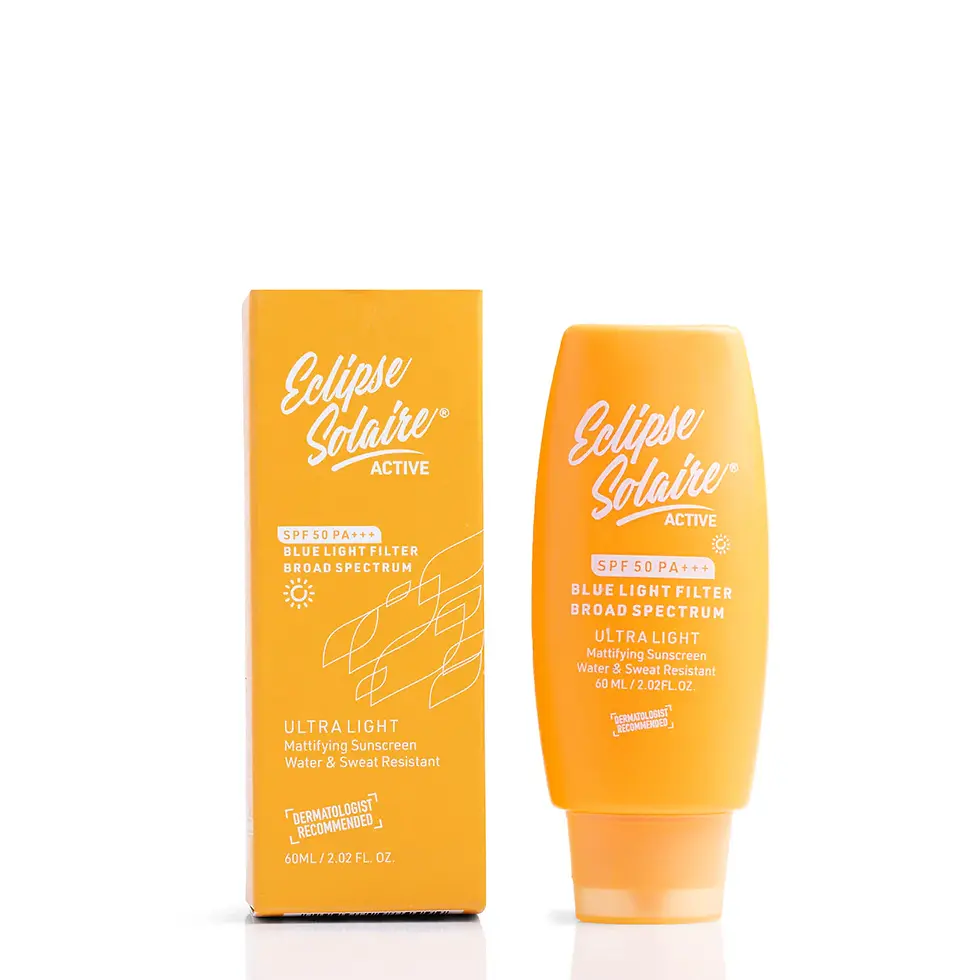
Retinol can make your skin more sensitive to sunlight. Use it in your evening routine and always apply sunscreen during the day.
Use a pea-sized amount
A small amount is enough for your entire face. Applying more won’t speed up results but may increase irritation.
Moisturize well
Retinol can dry out your skin. Use a gentle moisturizer to keep your skin hydrated and reduce redness or peeling.
Avoid combining with other strong actives
Using retinol alongside products with alpha hydroxy acids (AHAs), beta hydroxy acids (BHAs), or vitamin C can increase irritation. Introduce these ingredients slowly and on different days if possible.
Be patient and consistent
Skin improvements take time. Use retinol regularly but listen to your skin. If irritation occurs, reduce frequency or pause use.
Who Should Use Retinol?
Retinol suits many skin types but is especially helpful for those dealing with:
Early signs of aging such as fine lines and wrinkles
Uneven skin tone or sun damage
Acne or clogged pores
Rough or dull skin texture
People with very sensitive skin or certain skin conditions like eczema or rosacea should consult a dermatologist before starting retinol. Pregnant or breastfeeding women should also seek medical advice, as retinoids can be unsafe during pregnancy.
Common Myths About Retinol
There are several misconceptions about retinol that can confuse users:
Retinol thins the skin
Actually, retinol helps thicken the deeper layers of skin by boosting collagen, making skin stronger and more resilient.
You should use retinol every day from the start
Daily use is the goal, but beginners should start slowly to avoid irritation.
Retinol works immediately
Visible changes take weeks or months. Early side effects like redness or peeling are normal but usually temporary.
Retinol is only for older people
Retinol can benefit anyone wanting clearer, smoother skin, including younger people with acne.
Choosing the Right Retinol Product
Retinol comes in various forms and strengths. Here’s how to pick the right one:
Retinol creams and serums
These are common and easy to apply. Serums often have higher concentrations and lighter textures.
Retinol with added ingredients
Some products combine retinol with moisturizing or soothing ingredients like hyaluronic acid or niacinamide to reduce irritation.
Prescription retinoids
Stronger forms like tretinoin require a doctor’s prescription and are used for severe acne or advanced aging.
Look for products labeled with the percentage of retinol and start with lower percentages if you’re new. Always patch test new products before applying them to your face.
Who should avoid retinol
People who should avoid or be very cautious with retinol include:
People who are pregnant, trying to conceive, or breastfeeding — vitamin A derivatives may not be recommended during this time; consult a healthcare professional first.
People with very sensitive skin or skin conditions such as:
eczema
rosacea
psoriasis
severely dry or damaged skin
Anyone with a weakened skin barrier from over-exfoliation, recent procedures, or irritation.
People currently using strong active ingredients, including:
benzoyl peroxide
strong AHAs/BHAs (glycolic acid, salicylic acid)
prescription acne medications
other retinoids
People who spend a lot of time in strong sunlight without reliable sunscreen use, because retinol increases sun sensitivity.
Anyone who has previously had an allergic or severe irritation reaction to retinoids.
Stop or reduce use if you experience:
intense burning
swelling
cracking
severe peeling
persistent redness
For many people, retinol can still work safely when introduced slowly (1–2 nights per week with moisturizer and daily sunscreen).
Final Thoughts
Retinol is a proven skincare ingredient that can transform your skin by reducing wrinkles, clearing acne, and improving texture. Its effectiveness comes from its ability to speed up skin cell turnover and boost collagen. Using retinol requires patience and care, especially when starting out, but the results are worth the effort.
Comments