


The Essential Guide to Niacinamide: Benefits, Uses, and Who Should Avoid It
- avalabs7
- 6 days ago
- 3 min read
Niacinamide has become a popular ingredient in skincare, praised for its versatility and effectiveness. But what exactly is niacinamide, how should you use it, and who should be cautious? This guide breaks down everything you need to know about this skincare powerhouse.
What Is Niacinamide?
Niacinamide, also known as vitamin B3 or nicotinamide, is a water-soluble vitamin that plays a key role in maintaining healthy skin. It supports the skin’s barrier function, helps reduce inflammation, and improves overall skin texture. Unlike some vitamins that can be harsh or irritating, niacinamide is gentle and suitable for most skin types.
This ingredient is found in many skincare products such as serums, moisturizers, and toners. It works by boosting the skin’s natural ability to repair itself and defend against environmental damage.
How to Use Niacinamide
Using niacinamide correctly can maximize its benefits. Here are some practical tips:
Start with a low concentration: Products typically contain between 2% and 10% niacinamide. Beginners should start with 2-5% to see how their skin reacts.
Apply after cleansing and toning: Use niacinamide serum on clean skin before moisturizing. This allows better absorption.
Use twice daily: Morning and night applications are ideal for consistent results.
Combine with other ingredients carefully: Niacinamide pairs well with hyaluronic acid, peptides, and antioxidants. Avoid mixing it with pure vitamin C (ascorbic acid) in the same routine, as it can reduce effectiveness.
Patch test first: Apply a small amount on your wrist or behind your ear to check for any irritation before using it on your face.
Who Should Use Niacinamide
Niacinamide suits a wide range of skin types and concerns. It is especially beneficial for:
People with acne-prone skin: Niacinamide reduces inflammation and regulates oil production, helping to calm breakouts.
Those with sensitive skin: Its anti-inflammatory properties soothe redness and irritation.
Individuals with uneven skin tone or hyperpigmentation: Niacinamide can lighten dark spots and improve skin brightness.
People with aging skin: It supports collagen production and reduces fine lines and wrinkles.
Anyone looking to strengthen their skin barrier: Niacinamide enhances moisture retention and protects against environmental stressors.
Because it is gentle and non-comedogenic, niacinamide is a safe choice for most people, including those with rosacea or eczema.
Who Should Avoid Niacinamide
While niacinamide is generally safe, some people should avoid or be cautious when using it:
Those with a known allergy to niacinamide or vitamin B3: Allergic reactions are rare but possible.
People with very dry or flaky skin: In some cases, niacinamide can cause mild irritation or dryness, especially if used in high concentrations.
Individuals using certain prescription treatments: If you are on retinoids or other strong topical medications, consult a dermatologist before adding niacinamide to avoid potential interactions.
People who experience redness or burning after application: Discontinue use if irritation persists.
If you have concerns about how niacinamide might affect your skin, it’s best to seek advice from a skincare professional.
Benefits of Niacinamide Backed by Research
Scientific studies support many of the claims about niacinamide’s benefits:
Improves skin barrier function: Research shows niacinamide increases ceramide production, which helps retain moisture and protect the skin.
Reduces acne: A 2015 study found that 4% niacinamide gel reduced acne lesions and inflammation effectively.
Lightens hyperpigmentation: Clinical trials demonstrate that niacinamide can reduce dark spots caused by sun damage or melasma.
Minimizes fine lines and wrinkles: Niacinamide stimulates collagen synthesis, improving skin elasticity and smoothness.
These findings make niacinamide a reliable ingredient for a variety of skin concerns.
Practical Examples of Niacinamide Use
Here are some examples of how people incorporate niacinamide into their routines:
Morning routine: Cleanse, apply niacinamide serum, follow with moisturizer and sunscreen.
Evening routine: Cleanse, apply niacinamide serum, then a hydrating moisturizer or treatment.
Combination with other actives: Use niacinamide in the morning and retinol at night to avoid irritation.
Spot treatment: Apply niacinamide serum on acne-prone areas to reduce redness and swelling.
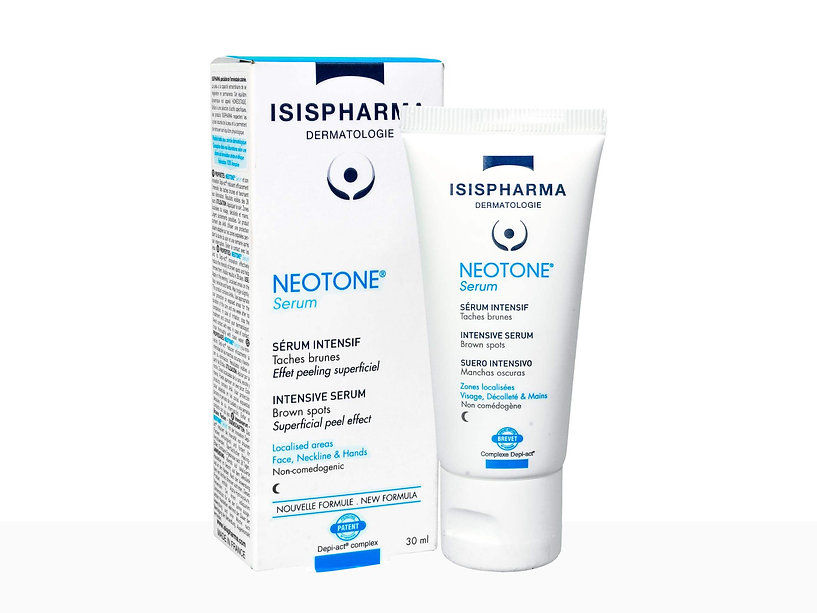
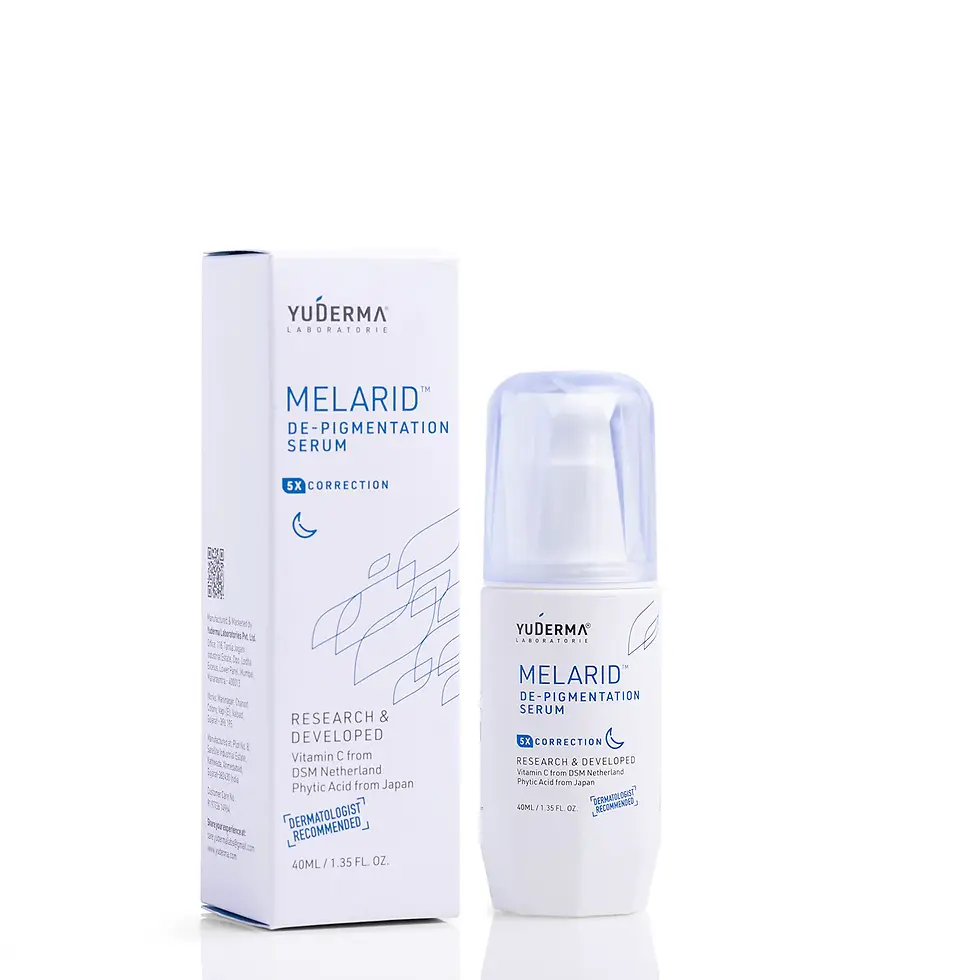
Niacinamide Products link:

Comments