


Understanding Kojic Acid Benefits Uses and Precautions
- avalabs7
- 5 days ago
- 3 min read
Kojic acid has gained attention in skincare for its ability to brighten skin and reduce dark spots. Many people seek effective solutions for uneven skin tone, hyperpigmentation, and age spots, and kojic acid often appears as a promising ingredient. This post explains what kojic acid is, how to use it safely, who can benefit from it, and who should avoid it.
What Is Kojic Acid?
Kojic acid is a natural compound derived from certain fungi, including Aspergillus and Penicillium species. It is commonly used in skincare products for its ability to inhibit melanin production, the pigment responsible for skin color. By blocking the enzyme tyrosinase, kojic acid helps reduce the formation of dark spots and uneven pigmentation.
Originally used in the food industry as a preservative, kojic acid has become popular in cosmetic products such as creams, serums, and soaps. It is especially favored for treating conditions like melasma, sun spots, and post-inflammatory hyperpigmentation caused by acne or injury.
How to Use Kojic Acid
Using kojic acid correctly is key to achieving results while minimizing side effects. Here are some practical tips:
Start with low concentration products: Most over-the-counter products contain 1% to 4% kojic acid. Begin with a lower concentration to see how your skin reacts.
Apply to clean, dry skin: Use kojic acid products after cleansing and before moisturizing.
Use once daily initially: Apply the product once a day, preferably at night, to reduce the risk of irritation.
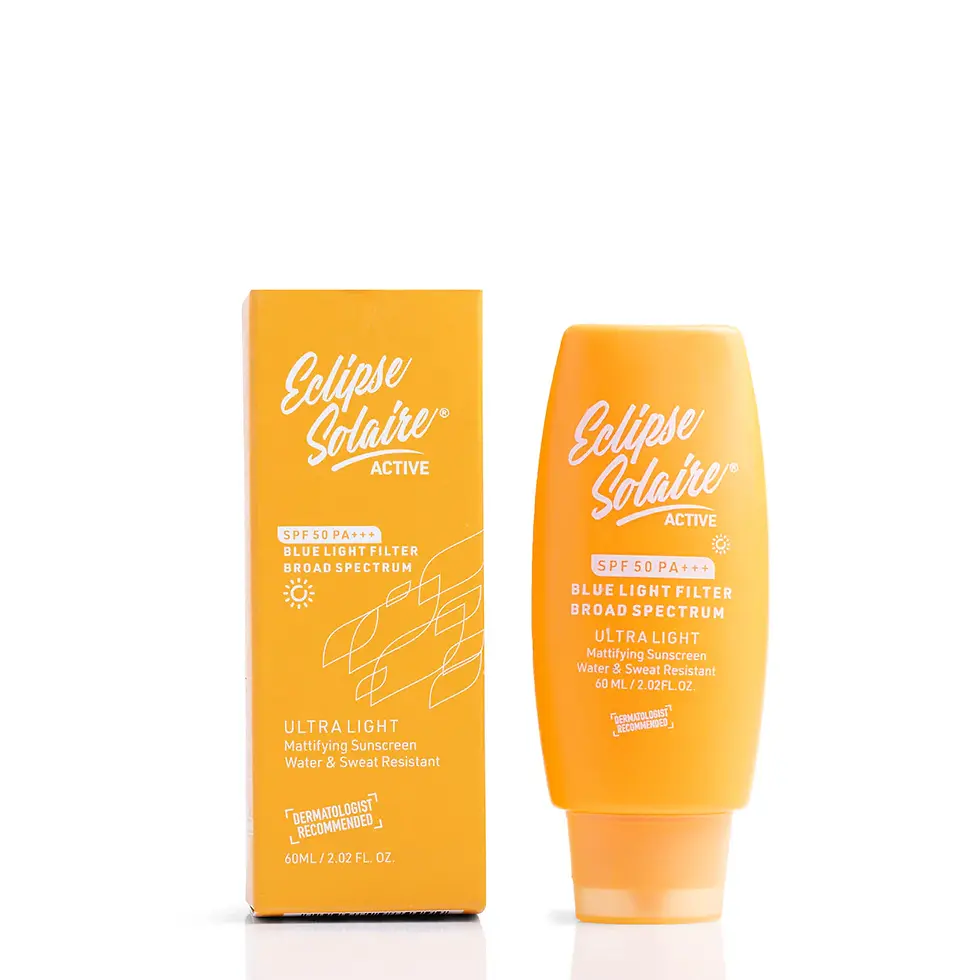
Wear sunscreen daily: Kojic acid can make your skin more sensitive to sunlight. Use a broad-spectrum sunscreen with SPF 30 or higher every day.
Avoid mixing with harsh exfoliants: Combining kojic acid with strong acids or retinoids can increase irritation. Introduce new products gradually.
Observe your skin’s response: If redness, itching, or excessive dryness occurs, reduce frequency or stop use.
Consistency is important. Visible improvements in pigmentation may take 4 to 8 weeks of regular use.
Who Should Use Kojic Acid
Kojic acid suits people looking to brighten their skin and reduce pigmentation issues. It works well for:
Individuals with sun spots or age spots caused by UV exposure.
People experiencing melasma, a common hormonal pigmentation disorder.
Those with post-inflammatory hyperpigmentation from acne scars or skin injuries.
Anyone wanting a gentle skin brightener without harsh chemicals.
Because kojic acid is less irritating than some other skin lighteners, it is a good option for people with sensitive skin who want to avoid hydroquinone or strong acids.
Who Should Avoid Kojic Acid
While kojic acid benefits many, some should avoid it or use it cautiously:
People with very sensitive or allergy-prone skin may experience irritation or allergic reactions.
Those with open wounds or broken skin should not apply kojic acid until the skin heals.
Pregnant or breastfeeding women should consult a healthcare provider before use, as safety data is limited.
Individuals using other strong skin treatments like retinoids or chemical peels should introduce kojic acid slowly to avoid over-exfoliation.
Anyone with a history of skin allergies or eczema should perform a patch test before full application.
If irritation or redness persists, discontinue use and seek advice from a dermatologist.
Practical Examples of Kojic Acid Use
Many users report noticeable improvements in skin tone after consistent use of kojic acid products. For example:
A person with melasma applied a kojic acid serum nightly for six weeks and saw a reduction in dark patches on the cheeks.
Someone with acne scars used a kojic acid soap daily and noticed lighter marks and a more even complexion after two months.
A user with sun spots combined a kojic acid cream with daily sunscreen and experienced gradual fading of spots over three months.
These examples show kojic acid’s potential when used carefully and consistently.
Final Thoughts on Kojic Acid
Kojic acid offers a natural and effective way to brighten skin and reduce pigmentation issues. It works by slowing melanin production and can improve the appearance of dark spots, melasma, and acne scars. Using kojic acid products correctly, starting with low concentrations, and protecting skin from sun exposure are essential steps.

Comments