


Understanding Azelaic Acid: Benefits Usage and Precautions for Skin Care
- avalabs7
- 3 days ago
- 3 min read
Azelaic acid has gained attention in the skincare world for its ability to address a variety of skin concerns effectively. Whether you struggle with acne, rosacea, or uneven skin tone, this ingredient offers a promising solution. This post explains what azelaic acid is, how to use it properly, who can benefit from it, and who should avoid it to keep skin safe and healthy.
What Is Azelaic Acid
Azelaic acid is a naturally occurring compound found in grains like barley, wheat, and rye. It has antibacterial, anti-inflammatory, and antioxidant properties, making it a versatile ingredient in dermatology. It works by reducing the growth of bacteria that cause acne and by gently promoting skin cell turnover to clear pores and fade discoloration.
Unlike harsher treatments, azelaic acid is known for being gentle on the skin while still delivering effective results. It is available in various forms, including creams, gels, and foams, often prescribed by dermatologists or found in over-the-counter products.
How to Use Azelaic Acid
Using azelaic acid correctly is key to seeing benefits without irritation. Here are practical steps to follow:
Start Slowly
Begin with a lower concentration product, such as 10% azelaic acid, especially if you have sensitive skin. Apply once daily for the first week, then increase to twice daily if your skin tolerates it well.
Cleanse Your Skin
Use a gentle cleanser before applying azelaic acid to remove dirt and oil. Pat your skin dry to avoid diluting the product.
Apply a Thin Layer
Use a pea-sized amount for your entire face. Spread evenly, avoiding the eyes and lips.
Moisturize
Follow with a moisturizer to prevent dryness or irritation. Azelaic acid can sometimes cause mild peeling or redness, so hydration is important.
Use Sunscreen
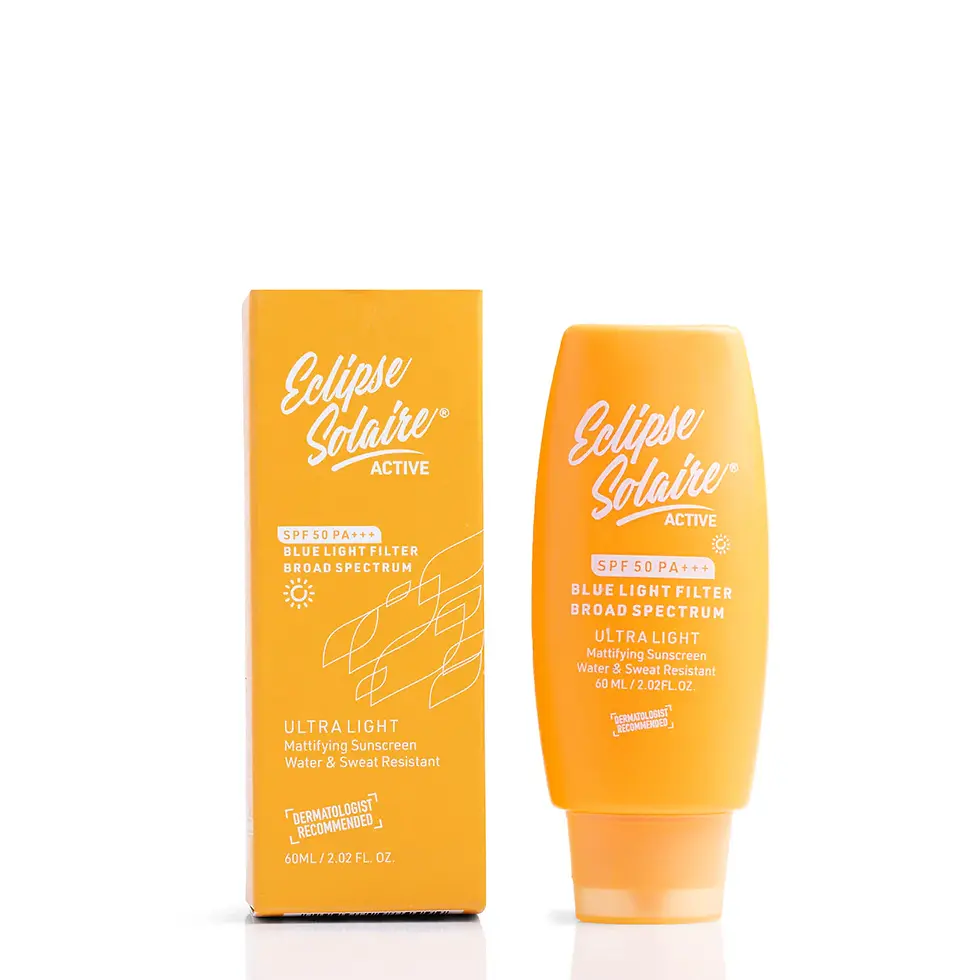
Azelaic acid can make your skin more sensitive to sunlight. Apply a broad-spectrum sunscreen with at least SPF 30 every morning.
Avoid Mixing with Certain Products
Avoid using azelaic acid alongside strong exfoliants like retinoids or alpha hydroxy acids unless advised by a dermatologist. Combining these can increase irritation.
Who Should Use Azelaic Acid
Azelaic acid suits a wide range of skin types and concerns. It is especially helpful for:
People with Acne
Azelaic acid targets the bacteria that cause acne and reduces inflammation. It also helps clear clogged pores, making it a good option for mild to moderate acne.
Those with Rosacea
Its anti-inflammatory effects can calm redness and swelling associated with rosacea, improving skin texture and tone.
Individuals with Hyperpigmentation
Azelaic acid inhibits melanin production, which helps fade dark spots, melasma, and post-inflammatory hyperpigmentation.
Sensitive Skin Types
Because it is less irritating than many acne treatments, azelaic acid is often suitable for sensitive skin that cannot tolerate stronger acids or retinoids.
People Looking for Gentle Daily Use
Azelaic acid can be incorporated into daily skincare routines for ongoing maintenance of clear, even skin.
Who Should Avoid Azelaic Acid
While azelaic acid is generally safe, some people should avoid or use it cautiously:
Those with Allergies to Azelaic Acid
If you experience itching, burning, or swelling after application, discontinue use and consult a healthcare provider.
People with Extremely Dry or Cracked Skin
Applying azelaic acid on broken skin can cause irritation or stinging.
Individuals Using Certain Medications
If you are on prescription skin treatments, especially strong acids or antibiotics, check with your dermatologist before adding azelaic acid.
Pregnant or Breastfeeding Women
Although azelaic acid is considered low risk, it is best to consult a healthcare professional before use during pregnancy or breastfeeding.
Final Thoughts on Azelaic Acid for Skin Care
Azelaic acid offers a balanced approach to treating acne, rosacea, and pigmentation without harsh side effects. Its gentle nature makes it accessible for many skin types, including sensitive skin. Starting with a low concentration and following a consistent routine helps maximize benefits while minimizing irritation.

Comments